 BizSpace Portal
 Payroll Portal
 Supply Chain Financing
Policies and Guidelines
At Yoma Bank, our principles and values shape the way we operate our business. We maintain a zero-tolerance approach to fraud, corruption, harassment, and discrimination, and are committed to upholding integrity and ethics in all aspects of our operation.
The Bank has adopted a comprehensive set of policies and guidelines to support these commitments. The Board of Directors is responsible for approving, reviewing, and overseeing the effective implementation of these policies.
| Policies and Guidelines | Main Areas covered |
| Corporate Governance Policy | The Corporate Governance Policy outlines Yoma Bank’s governance principles, structures and oversight arrangements in alignment with applicable laws, the Bank’s Constitution and international standards. It defines the Board’s key responsibilities and supports the Bank’s commitment to accountability, transparency and effective governance. Please see our Corporate Governance Policy Summary here: |
| Anti-Money Laundering & Counter Financing of Terrorism Policy | The Anti-Money Laundering & Counter Financing of Terrorism (AML/CFT) Policy outlines the standard requirements to prevent money laundering and terrorist financing activities and ensure compliance with relevant local laws and regulations as well as recommendations and guidelines from international bodies. The objective is to drive best practice and risk-based approach to management of money laundering and combatting terrorist financing. Please see our AML/CFT Policy here: |
| People Guideline | The People Guideline supports the achievement of Yoma Bank’s Mission and Vision by shaping a workforce that is aligned with the strategic objectives of the Bank and its organizational values. The Guideline provides a comprehensive framework for all people related practices, ensuring consistent standards across the Bank and compliance with applicable legal and regulatory requirements. Please see our People Guideline here: |
| Code of Conduct Guideline | The Code of Conduct Guideline establishes the standards of integrity, professionalism, and ethical behavior expected of all directors, officers, and employees. The Guideline serves as the foundation for maintaining trust, accountability, and responsible conduct in the Bank’s interactions with customers, employees, suppliers, regulators, and other stakeholders. All personnel are expected to comply with both the spirit and the requirements of the Code in carrying out their day‑to‑day responsibilities, engaging with internal and external stakeholders, and managing personal financial dealings where applicable. By upholding these standards, the Bank fosters a culture of integrity, accountability, transparency, and ethical business conduct, while protecting its reputation and reinforcing its commitment to being a lifelong banking partner for its customers. Please see our Code of Conduct Guideline here: |
| Speak Up Guidelines | Yoma Bank encourages employees to raise concerns about any wrongdoing, misconduct, or unsafe behavior without fear of harassment, discrimination, or retaliation. The Speak Up Guideline provides a secure and confidential reporting mechanism, including the option for anonymous reporting where appropriate, while ensuring protection for individuals who report concerns in good faith. All employees have a responsibility to report any actual, suspected, or potential breach of the Code of Conduct. Reports are treated seriously and handled in a fair, objective, and timely manner to support a culture of integrity, accountability, and ethical conduct throughout the organization. Please see our Speak Up Guideline here: |
| Enterprise Risk Management Policy | The Enterprise Risk Management (ERM) Policy establishes the Bank’s risk management framework and sets out the key principles, roles, and responsibilities required for its effective implementation. At Yoma Bank, risk management is embedded across all business activities and decision‑making processes. The Bank views effective risk management not only as a means of safeguarding its operations and stakeholders, but also as a strategic enabler that supports sustainable growth and strengthens its ability to deliver on its mission to Build a Better Myanmar for Its People. Please see our ERM Policy Summary here: |
| Environmental, Social and Governance (ESG) Guideline | Yoma Bank is committed to conducting its business in a manner that protects the environment, promotes social responsibility, and safeguards the health, safety, and wellbeing of its employees and communities. The ESG Guideline establishes a structured framework for integrating environmental, social, and governance considerations into the Bank’s strategy, governance, risk management, and operational processes. It also guides the Bank’s corporate social responsibility, community investment, donation, and philanthropic activities, ensuring that sustainability principles are embedded across its business operations and decision‑making. Please see our ESG Guideline here: |
| Clients and Creditors Rights and Protection Guideline | Yoma Bank is committed to protecting the rights and interests of its clients through transparent communication, responsible products and services, and ethical business conduct. The Clients and Creditors Rights and Protection Guideline promotes the fair and transparent treatment of customers and establishes principles for strong governance, independent oversight, and the protection of the rights and interests of both clients and creditors. It also provides accessible feedback and complaint channels to strengthen accountability, responsiveness, and continuous improvement. The guideline applies across all Yoma Bank products, services, and customer interactions. Please see our Clients and Creditors Rights and Protection Guideline here: |
Procurement Process
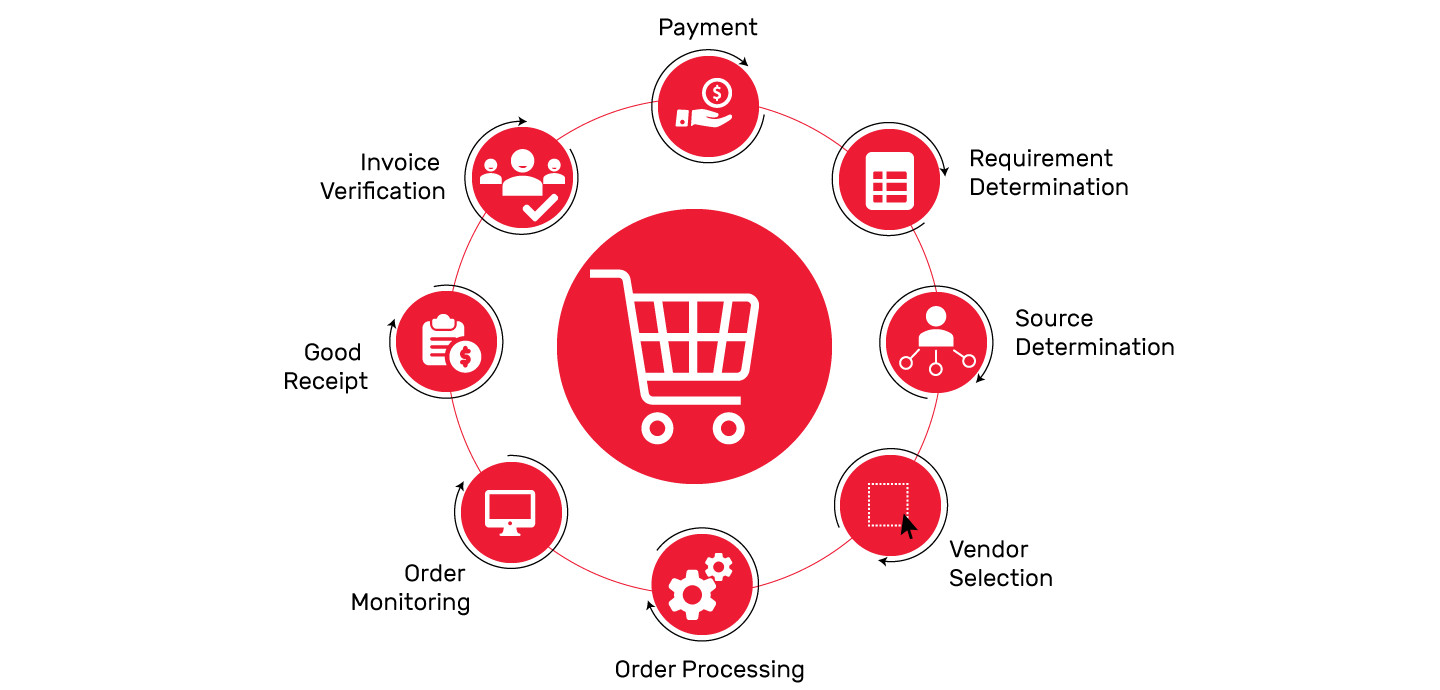
In addition to these policies and guidelines, Yoma Bank applies rigorous standards in the selection of vendors, ensuring thorough due diligence is conducted on all partners. This approach supports the delivery of high‑quality services to customers while maintaining strong governance and risk management standards. The supplier and vendor selection process requires significant organizational resources and plays a critical role in the Bank’s overall effectiveness and long‑term success.
The Bank’s Procurement Department oversees the end‑to‑end procurement process across the organization. The primary objectives of the supplier and vendor selection process are to mitigate procurement risks, maximize value for the Bank, and foster sustainable, long‑term partnerships with suppliers and vendors.
All suppliers are required to comply with applicable laws and regulations in Myanmar, as well as the Bank’s internal policies and guidelines. This includes, but is not limited to, compliance with AML/CFT requirements, sanctions regulations, and directives issued by the Central Bank of Myanmar.